Vijay Sethupathi’s acclaimed Tamil action-comedy Baththa is officially set to make its digital debut on Netflix on October 29, 2026, just four weeks after its theatrical release on October 1. The streaming platform confirmed the date via social media, and the film will be available in five languages—Tamil, Hindi, Telugu, Kannada, and Malayalam—ensuring that audiences across India can experience what has become one of the year’s most surprising sleeper hits. For viewers who missed its theatrical run or dismissed it as a standard gangster flick based on the marketing, the Netflix premiere offers a chance to discover a film that is far more intimate and emotionally resonant than its promotional material suggested.
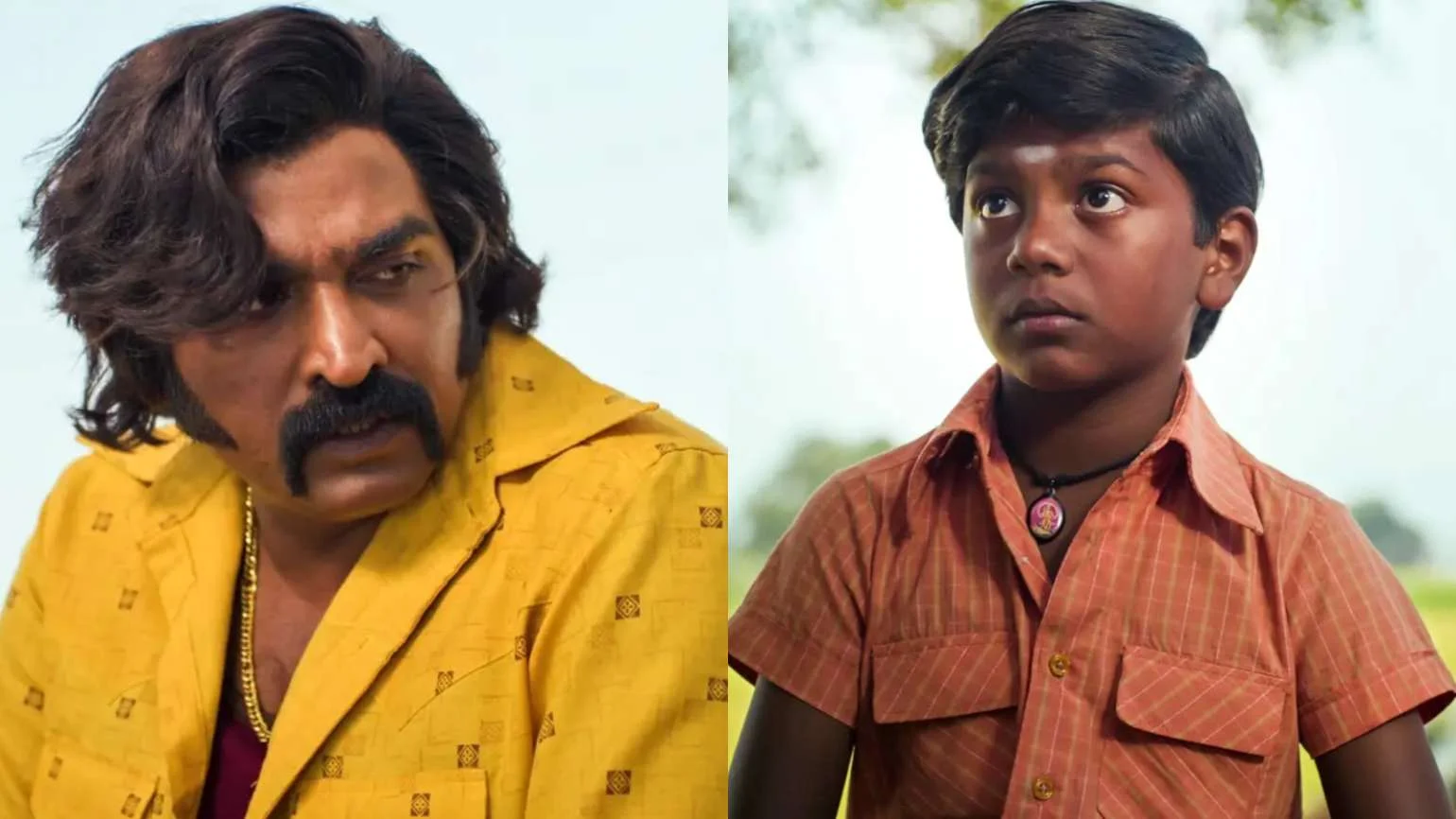
The genius of Baththa lies in its deliberate subversion of genre expectations. While the trailers teased a typical action-heavy gangster drama, director Balaji Tharaneetharan delivers a retro comedy-drama steeped in black humor, family dynamics, and quiet suspense. The plot follows Baththavachalam, a feared local don in 1986 Madras, who is accidentally locked inside a secluded school restroom by a terrified eight-year-old boy named Sabhari during summer break. What unfolds is not a tale of revenge or violence, but an unlikely friendship forged through a door, as the gangster confronts his own vulnerability, childhood wounds, and the person he has become. It is a character-driven redemption story that prioritizes patience and emotional honesty over spectacle.
The performances have been universally cited as the film’s greatest strength, and they are the primary reason Baththa has generated such passionate word-of-mouth. Vijay Sethupathi delivers what critics are calling one of the finest acts of his recent career, balancing the domineering arrogance of a 1980s gangster with remarkable vulnerability and innocence as his character faces isolation. But the true revelation is child actor Master Sai Prithviraj, whose timid expressions, natural screen presence, and innocent chemistry with Sethupathi carry the film’s emotional weight. Lijomol Jose, as Baththa’s wife Kannima, brings grounding depth to the family dynamics, rounding out a cast that transforms a simple premise into something deeply human.
Critical and audience reception has been overwhelmingly positive, with major publications like The Indian Express and The New Indian Express awarding the film a strong 4/5 rating. Reviewers have praised Tharaneetharan’s patient screenplay, the organic situational humor, and the meticulously detailed 1986 Madras period setting. What began as a modest theatrical opening has evolved into a genuine sleeper success, grossing over ₹33.16 crore worldwide and finding particularly strong traction not just in Tamil Nadu but also in Kerala. Audiences have embraced the film’s unexpected emotional rollercoaster, with the climax in particular leaving viewers deeply moved. As Baththa arrives on Netflix this October 29, it stands as a reminder that the most rewarding cinematic experiences often come from films that refuse to be exactly what you expect.