Thalapathy Vijay’s swansong, Jana Nayagan, has arrived with the kind of explosive fanfare that only a star of his stature can command. The film, which marks his final on-screen appearance before his full-time political career, has turned theaters into festival zones, with fans celebrating his last cinematic outing with cutouts, dancing, and roaring crowds. Anirudh Ravichander’s pulsating background score and tracks like ‘Thalapathy Kacheri’ have elevated the mood, while the emotional father-figure bond and Vijay’s chemistry with Mamitha Baiju anchor the first half positively. For devoted followers, this is less a movie and more a nostalgic celebration of their idol’s illustrious career.
The emotional weight of Vijay’s farewell has been the film’s greatest strength, with many viewers accepting Jana Nayagan purely as a tribute to his legacy. The sentiment of seeing the megastar on the big screen for the final time has created a bittersweet atmosphere, with fans treating every frame as a cherished memory. However, beneath the celebratory surface, the film faces significant criticism. General audiences and critics have pointed to sloppy execution, an overstuffed runtime, and an outdated villain track as major drawbacks. The narrative’s political overtones have also been criticized, with some feeling it leans too heavily into a political campaign style rather than cohesive storytelling.
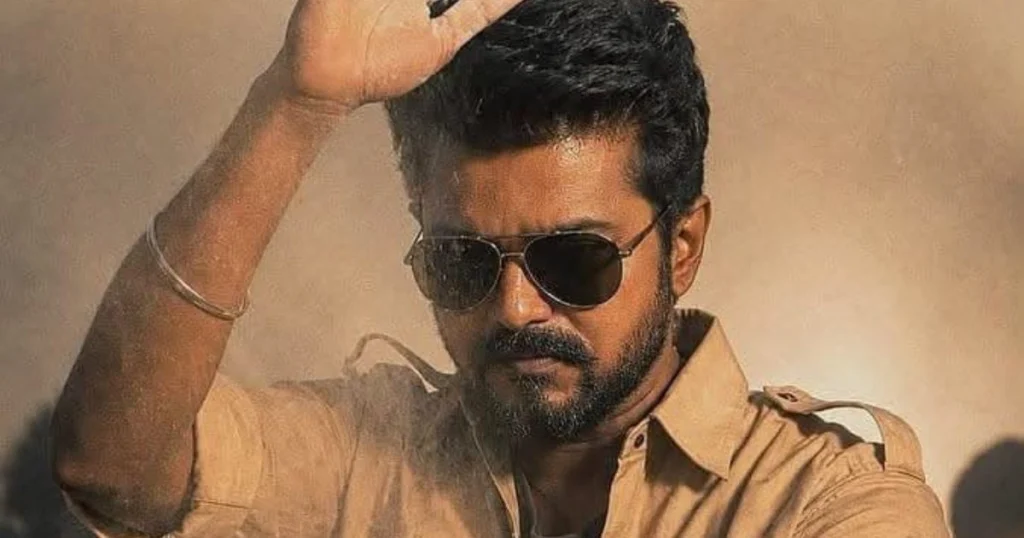
The polarized response to Jana Nayagan highlights the challenge of balancing mass appeal with substantive content. While die-hard fans have embraced the film as a fitting farewell, others have found the writing weak and the pacing uneven. Vijay’s performance, however, remains a standout. His ability to command the screen with his signature charisma, whether in mass moments or emotional scenes, has been widely praised. The film’s music and BGM have also been celebrated for elevating the overall experience, even when the script falters.
Ultimately, Jana Nayagan serves as a testament to Vijay’s enduring legacy and his unique connection with his fans. While it may not rank among his finest works in terms of narrative depth, it succeeds as a celebratory send-off for a star who has defined an era of Tamil cinema. For fans, the film is an emotional experience that transcends its flaws. For neutral viewers, it offers a glimpse into the phenomenon that is Thalapathy Vijay, even if the execution leaves room for improvement. As Vijay moves from cinema to politics, Jana Nayagan stands as a fitting conclusion to an extraordinary chapter in Indian film history.